
The Pros & Cons of an All-Inclusive Wedding (From a Venue That’s Seen It All)
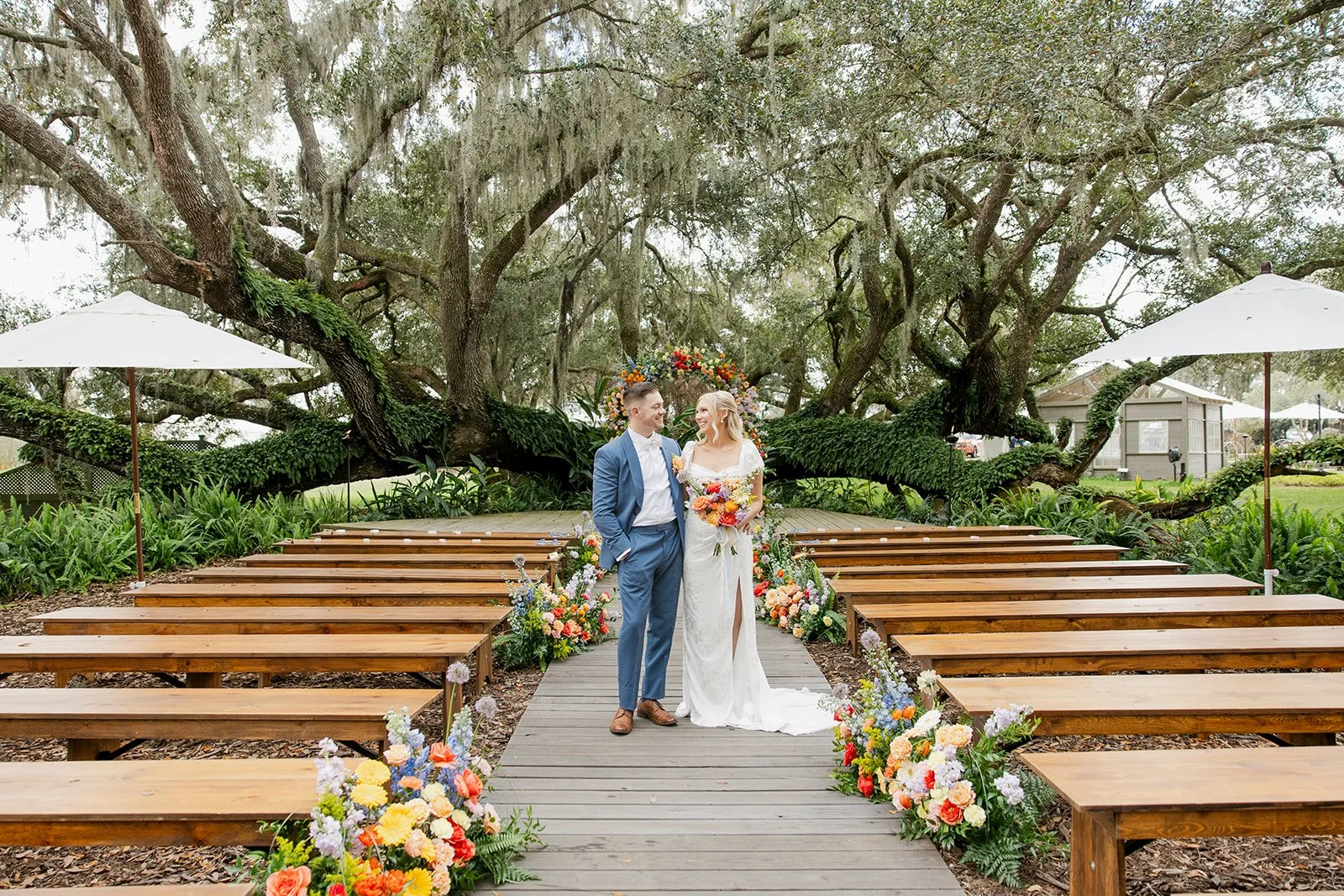
Photographer: @taylorsheaphoto
If you’ve started wedding planning, you’ve probably come across the phrase “all-inclusive wedding” - often accompanied by equal parts excitement and skepticism.
As a venue team who has guided countless couples through their big day, we’ve seen firsthand how all-inclusive packages can transform the planning experience. But like anything in weddings (or life), it’s not one-size-fits-all.
So let’s break it down - the real pros, the honest cons, and how to decide if it’s right for you.
The Pros of an All-Inclusive Wedding
1. A Whole Lot Less Stress (Yes, Really)
Planning a wedding involves dozens of moving pieces - catering, rentals, bar service, florals, timeline logistics… the list goes on.
With an all-inclusive venue, many of those elements are handled for you. For example, venues like Mill Pond Estate bundle essentials like catering, bar service, rentals, and even coordination into one cohesive experience.
Translation? Fewer emails, fewer contracts, and far fewer “wait, who’s handling that?” moments.
2. A Seamless, Cohesive Experience
When your vendors already know each other (or are part of the same team), things just flow better.
From timing your cocktail hour perfectly to ensuring your reception setup is exactly where it needs to be, an all-inclusive team works like a well-rehearsed orchestra - rather than a group of soloists meeting for the first time.
At venues offering in-house services like catering and floral design, everything is designed to complement the space and your vision from the start.
3. Transparent (and Often Predictable) Pricing
One of the biggest surprises in wedding planning? How quickly costs can add up.
All-inclusive packages simplify this by bundling major expenses into clear, upfront pricing. Many venues prioritize transparency so couples aren’t left decoding complicated estimates or hidden fees.
While you’ll still have choices (hello, upgraded menus and signature cocktails), you’ll start with a solid understanding of your baseline investment - which is a huge win for peace of mind.
4. Built-In Expertise
When you book an all-inclusive venue, you’re not just booking a space - you’re getting a team that’s done this many, many times before.
They know what works. They know what to avoid. And they’re often one step ahead of potential hiccups before you even realize they exist.
From crafting a rain plan to managing timelines and guest flow, that experience is quietly working behind the scenes to make your day feel effortless.
5. Time-Saving (a.k.a. Your Weekends Are Safe)
Instead of spending your evenings researching 12 different vendors and comparing spreadsheets, you can focus on the fun parts - like menu tastings or choosing your signature cocktail.
All-inclusive weddings streamline decision-making, which is especially helpful if you’re planning on a shorter timeline or juggling a busy schedule.
The Cons of an All-Inclusive Wedding
Now, let’s keep it real - because all-inclusive isn’t perfect for everyone.
1. Less Vendor Flexibility
If you’ve had your heart set on a specific caterer, mixologist, or rental company, an all-inclusive venue may have preferred or in-house vendors you’re expected to use.
While these teams are typically vetted and experienced, it can feel limiting if you’re dreaming of a fully custom vendor lineup.
2. Perception of “Less Personalization”
Some couples worry that all-inclusive means cookie-cutter.
The truth? That depends entirely on the venue.
Many modern venues offer flexible packages, customizable menus, and design options that allow you to infuse your personality into every detail. But it’s still worth asking: How customizable is this, really?
3. Upfront Costs Can Feel Higher
When everything is bundled together, the initial price tag can look larger than booking a venue alone.
However - and this is important - it often reflects the true cost of a wedding once you factor in catering, rentals, staffing, and logistics. In many cases, couples find the total cost is comparable (or even more cost-effective) than sourcing everything separately.
4. Less “DIY” Opportunity
If you’re someone who loves crafting every detail - from sourcing vintage plates to building your own seating chart display - an all-inclusive venue may not leave as much room for hands-on projects.
For some couples, that’s a downside. For others… it’s a huge relief.
So… Is an All-Inclusive Wedding Right for You?
Here’s the honest answer: it depends on what you value most.
If you’re looking for:
A streamlined, low-stress planning process
A cohesive and professionally managed experience
Clear pricing and fewer logistical headaches
…an all-inclusive wedding might be your perfect match.
If you’re dreaming of:
Total control over every vendor and detail
A highly DIY or niche aesthetic
Building your wedding piece-by-piece
…you may prefer a more traditional, à la carte approach.
Final Thoughts
At the end of the day, your wedding should feel like you - whether that’s effortlessly curated or meticulously handcrafted.
All-inclusive weddings aren’t about sacrificing personality - they’re about simplifying the path to a beautiful, meaningful celebration.
And if you ask us? Having a little less stress and a little more time to soak it all in on your wedding day is never a bad thing.